900 people applied to be in this series.
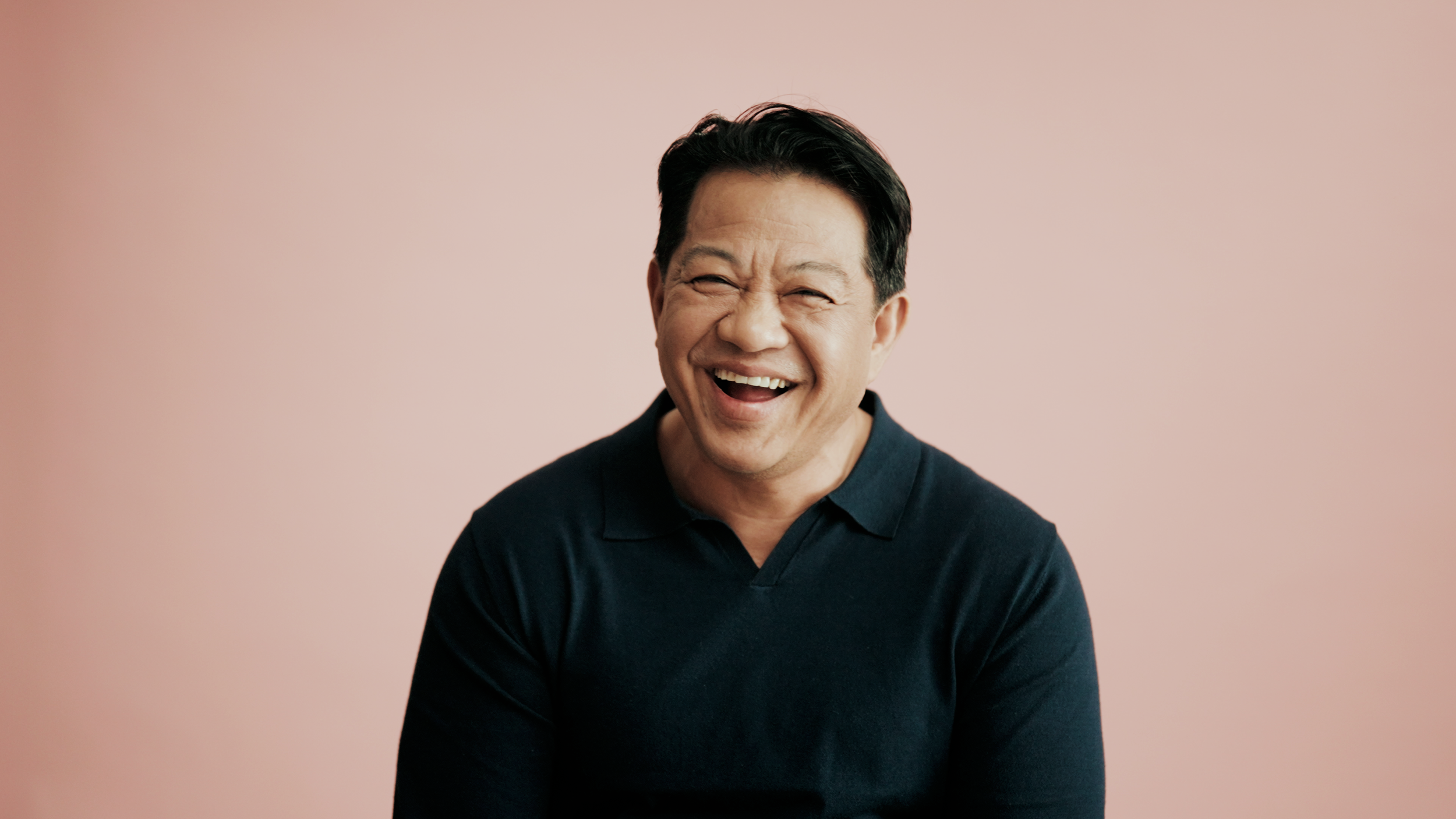
Casting. Interviews. Lighting. Framing. And why all of it matters if you actually want people to trust your brand.
Customer experience stories in healthcare are some of the most powerful trust-building assets a brand can deploy.
Digital healthcare brands are booming. Every week, it feels like a new name enters the space. And while the mission is noble, making healthcare more affordable and more accessible, consumers have been conditioned to believe that if the process is not long, complicated, and buried in paperwork, it probably is not legitimate.
That is exactly why more healthcare brands are turning to customer stories. These stories help bridge the gap between brand and audience. They make the experience feel real. They make the brand feel trustworthy.
PART 1: CASTING
Of course, for these videos to work, they have to feel authentic and relatable. First, you have to cast the right people. Then you have to make them feel comfortable. You have to give them the space to express themselves and show who they really are.
During casting, we start by defining the core cohorts the brand is trying to reach. Every person we interview represents a potential customer. It is critical that the audience can see themselves in these videos. That familiarity helps people feel more at home with the brand, and that often leads to higher conversions.
Once we know the type of people we are looking for, we have to find them.
In this case, TelyRx wanted real patients who had actually used their products. But because of HIPAA laws, we were not given access to customer information already on file. That meant we had to find these people ourselves.
And unlike casting actors, casting real people takes a lot of time. You cannot just throw up a post on a casting website and hope real non-actors show up and submit. You have to go out and find them.
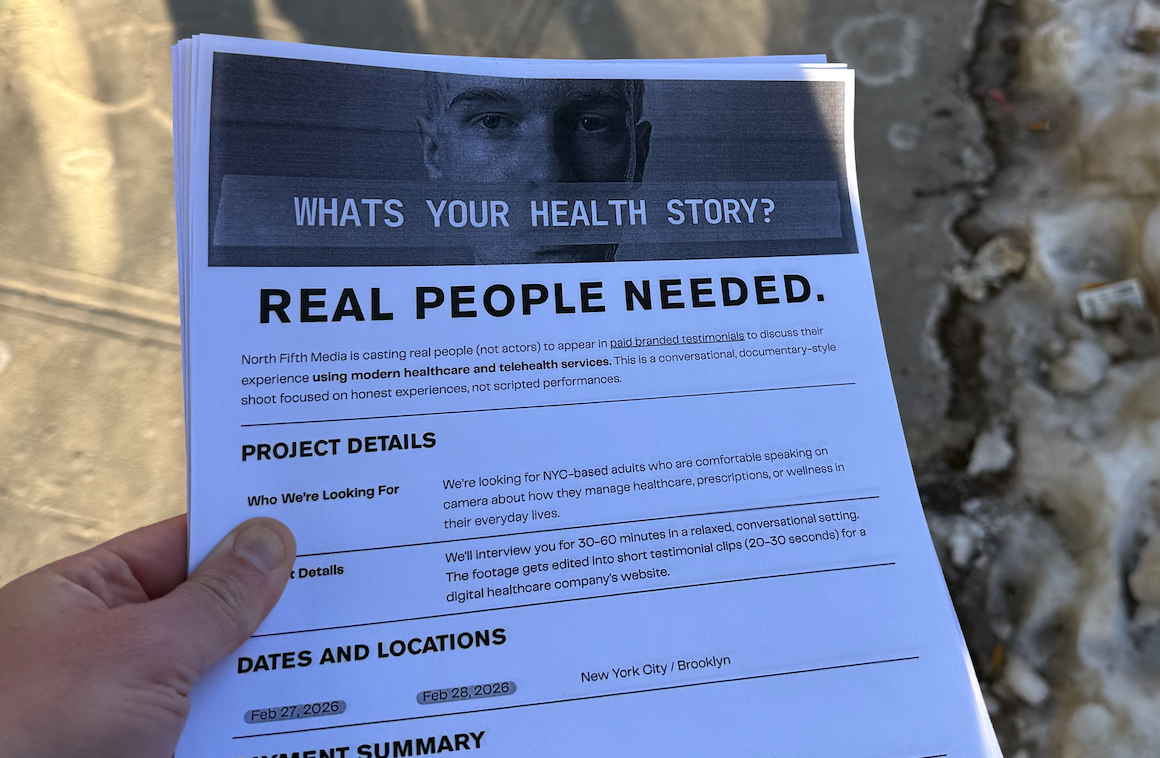
So we took a true boots-on-the-ground approach. We hit every relevant platform we could think of: Reddit communities, Facebook Groups, Craigslist, Nextdoor. We created paid video ads for casting across the New York tri-state area. You may have even seen them pop up on YouTube or Instagram. We also printed flyers and posted them outside hospitals and medical offices where we felt the right people might be passing through.
In the end, we received more than 900 submissions.
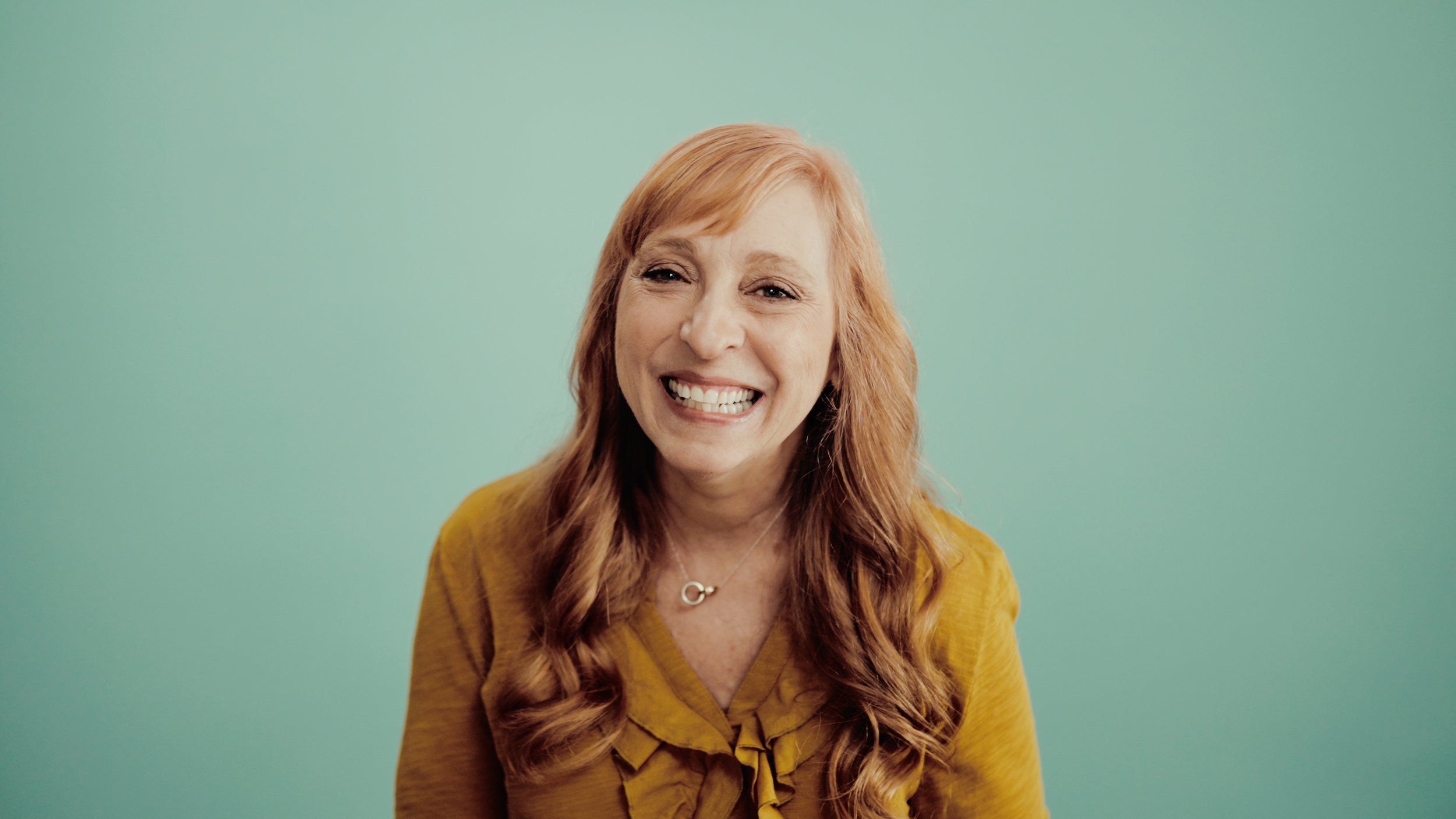
From there, we narrowed the pool to 50 people and pre-interviewed each of them until we finally landed on 9. Those 9 people all had something important in common. They were personable. They felt relatable. They had lived experience. They had real feelings about their healthcare, and they could speak from a place of honesty.
It was not hard for them to talk about their healthcare experiences because for them, these stories came loaded with real history and real emotion.
During the pre-interview process, we listen closely for the most compelling parts of each person’s story. We ask questions and look for the triggers. The moments that make them laugh. The memories that make them emotional. The questions they are still trying to figure out. The parts of healthcare that still confuse or frustrate them.
This is layered work.
We are not just gathering story material. We are also building the first bridge. We are getting to know them. That matters because on the day of filming, there is not much time to build that relationship from scratch. And if you want someone to let their guard down on camera, they have to feel like they are in safe hands.
Once the casting is locked and the pre-interviews are done, it is time for the shoot.
PART 2: THE INTERVIEW
Conducting a great interview takes a special skill set. It is about much more than running through a list of questions and checking boxes. It is a discovery process. A dialogue designed to uncover truth and pull out emotion.
The best interviews make you feel like you get to step inside someone else’s head for a moment and experience life from their point of view.
In healthcare, those stories are often deeply personal. They can also carry stigma, pain, and vulnerability. So how do you create an environment that gives you the strongest material possible?
1. Show up prepared.
You need to know everything about the topic you are discussing. You need to understand how the product or brand has affected this person’s life on a granular level. You need to think about it deeply enough that you can guide the conversation into places they may not even know how to articulate themselves.
That is where the revelations come from. That is where the real reactions come from.
For TelyRx customer stories, it was essential that we understood each person’s illness or condition before filming. We needed insight into how they live. How does this condition affect their daily life? What happens if they do not have access to this medication? How does TelyRx make life easier, less stressful, or more manageable?
If you do not know the terrain, you cannot lead someone through it.
2. Be yourself.
How can you expect an interview subject to be themselves if you are not doing the same?
If you want the person in front of the camera to feel human, then be human with them. Speak with empathy. Share common ground. Let them feel that you understand what is at stake.
In this case, as a cancer survivor, I shared parts of my own health experience with the interviewees. Not to make it about me, but to show them that I understood. That I was with them in solidarity.
When you do that, you can feel the shift. Their guard starts to come down. The cameras begin to disappear. Suddenly it is not an interview anymore. It is just two people having a real conversation.
And that leads directly into the next point.
3. Parroting.
Humans are incredibly adaptive. When we are around other people, we naturally start to mirror them. We talk a little more like them. We move a little more like them. We adjust without even realizing it because it helps us feel aligned. It helps us feel safe.
That matters a lot in interviews.
If you want your subject to talk faster and speak with more energy, you need to bring that energy yourself. If you want them to slow down and reflect on something more emotionally, you can slow your own pace, lower your voice, and create space for that feeling to emerge.
Lean forward, and they often lean forward too.
The point is not to manipulate. The point is to guide. You have to understand what you need from the moment, then subtly lead the conversation in that direction through your own presence and behavior.
4. Logistics matter.
For this shoot, we needed to film 9 interviews in a single day. That means moving quickly. But real conversation and real emotion do not happen quickly.
So you have to engineer the conditions that make success more likely.
For example, some of our interviewees were over 60. We knew that if we scheduled them earlier in the day, they would show up with more energy on camera. If we pushed them later, we risked getting a flatter, more tired interview.
These things matter. Great interviews are not only about the conversation itself. They are also about setting people up to succeed before the first question is even asked.
5. Listen harder than you think you need to.
This sounds obvious, but in practice it is one of the hardest parts.
When you are conducting an interview, you are juggling a lot at once. You are tracking your question list. You are maintaining eye contact. You are listening for sound bites that might work in the edit. You are also trying to figure out what you still need to get.
In the middle of all that, it is very easy to stop truly listening.
But deep listening is often what opens the door to the best material. It is what helps you catch the half-finished thought, the emotional hesitation, the sentence that needs one more follow-up to become something unforgettable.
Ask the extra question.
And when you get an answer, make sure it is not only clear to the people in the room, but clear to the audience who will eventually watch it.
A great interview can do a lot for a brand. It can build attention. It can create awareness. It can deepen trust. It can drive engagement.
For digital healthcare brands, this format is one of the most effective ways to scale trust at speed.
PART 3: THE SECRET TO INTERVIEW LIGHTING AND FRAMING
A good interview should not just look beautiful. It should tell a story.
Whether you are shooting in a home, an office, or a studio, everything in the frame should be intentional. Every choice should support the feeling you want the audience to have.
Location
For TelyRx’s No One Told Me This, we landed on a studio look for two reasons.
First, these videos were designed as top-of-funnel, attention-grabbing assets. We knew that colorful backgrounds would perform better in that context than a more domestic or naturalistic setting.
Second, we knew TelyRx wanted volume. They wanted multiple interviews with different people representing different cohorts. If we had shot in a house or practical location, we would have needed to constantly search for new angles, new backgrounds, and new ways to relight the space. We simply would not have had time to capture all of the interviews in a single day.
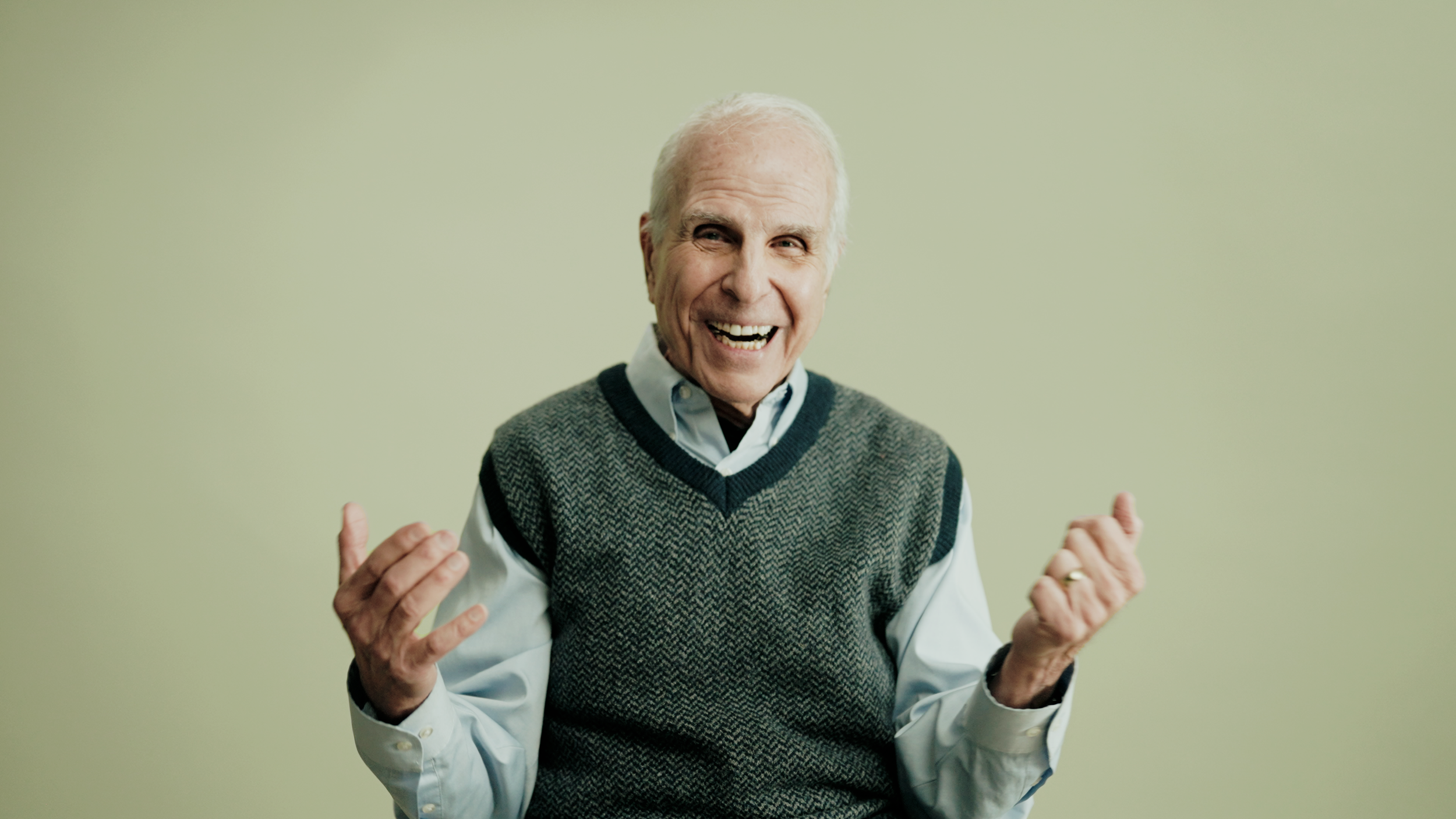
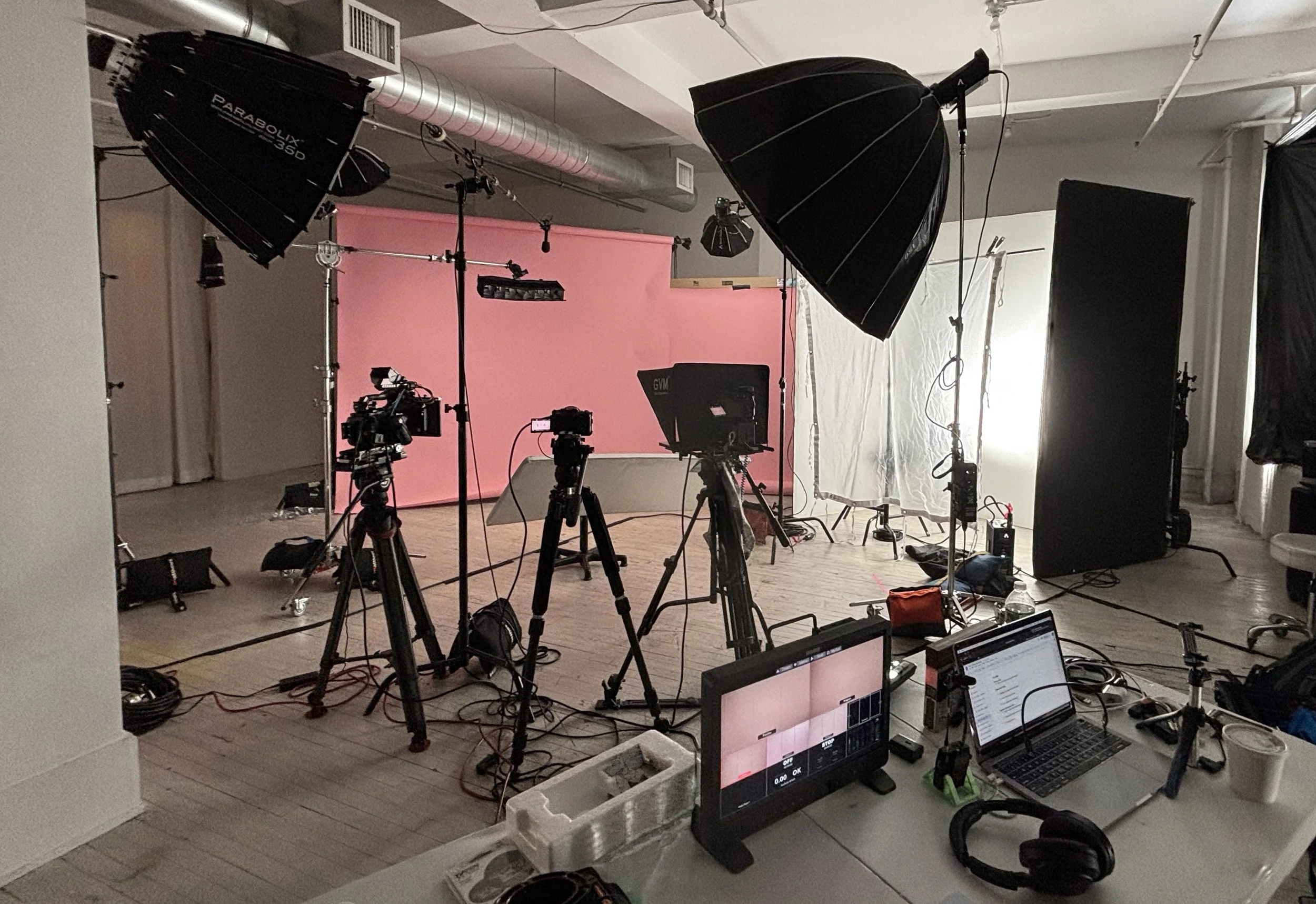
So we chose to shoot against three different colors of seamless paper.
We had 9 interviewees, and we assigned each person a color based on what we felt would look best with their energy, skin tone, and wardrobe.
Lighting
For branded content interviews, and especially customer experience stories, we are typically aiming for a beautiful, soft, flattering key light that gently wraps around the face.
This kind of light does two important things. First, it makes the subject look their best. Second, it creates a softness in the eyes that helps the viewer connect with them.
For this setup, we took a two-key-light approach inspired by Roger Deakins’ cove-style lighting.
We used a large source, an Aputure 1200x, bounced into the white side of a V-flat and then diffused through light diffusion fabric. We then layered in a second source, an Aputure 300x, boomed above the subject’s face.
In effect, we married the two sources into one large, soft, polished light.
The result was a look that felt commercial and elevated, but still grounded in naturalism.
Framing
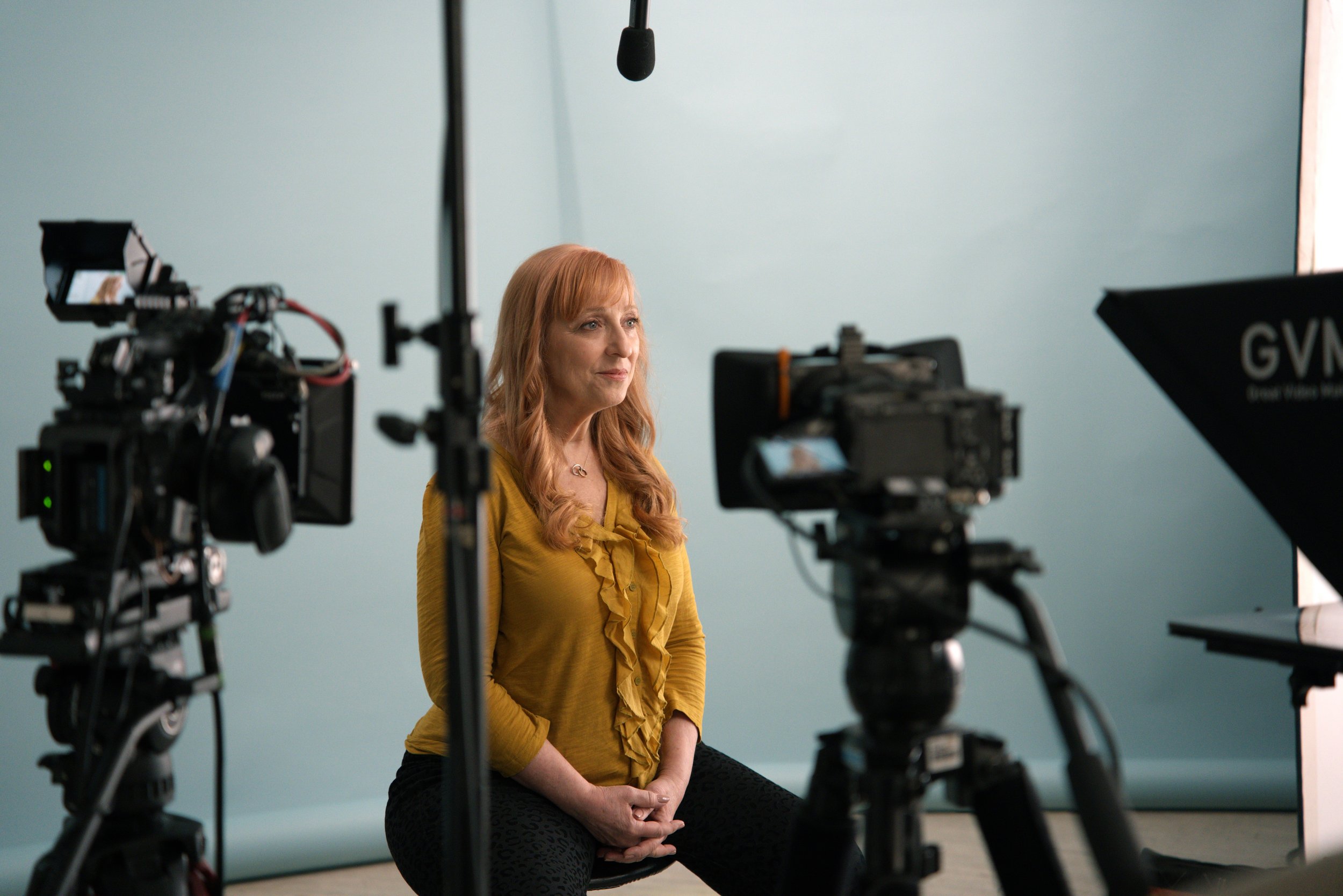
We shot the main interview using an Interrotron-style device so the interviewee could make direct eye contact with the camera.
The goal was simple: create a direct bridge between the speaker and the viewer.
When someone looks directly at us, we trust them more. And because these were fundamentally trust-building assets, we felt that was the right creative decision. We paired that setup with a 50mm prime lens and a shallow depth of field to present the subject in a way that felt natural, intimate, and cinematic.
In addition to our primary angle, we captured two more cameras placed about three-quarters off to the side of the interview subject. One was a wider 35mm frame. The other was a tighter, more emotional frame on an 85mm.
Because these assets were intended for both social media and YouTube, we also had to protect every frame for both vertical and landscape delivery. We handled that with screen overlays on our monitors during production.
The end result was a system built for both beauty and efficiency. We could move quickly, keep the interviews feeling cohesive, and still give every story a polished, cinematic look.